Monsoon-Proof Plywood & Laminates in Belgaum | Heda Ply Guide
Every June, Belagavi’s skies open up, and with them comes one of the biggest silent threats to home interiors: moisture. Cabinets that fit perfectly in March suddenly stick in their frames by July. Laminate edges lift. Plywood that looked fine on installation day starts to smell musty within a season. If you’ve lived through a Belagavi monsoon, you already know this story.
The good news is that almost all of this is preventable — but only if the right decisions are made before the rains arrive, not after the damage shows up. At Heda Ply, located in Tilakwadi, Belagavi, we get a noticeable spike in queries every June and July from homeowners and contractors asking the same question in different ways: “Will this plywood survive the monsoon?”
This guide walks through exactly what happens to interior materials during Karnataka’s monsoon months, which plywood grades and laminate types actually hold up, and how to plan your purchases this June so your interiors are ready before the first heavy spell hits.
Why Monsoon Damage to Plywood Happens in the First Place
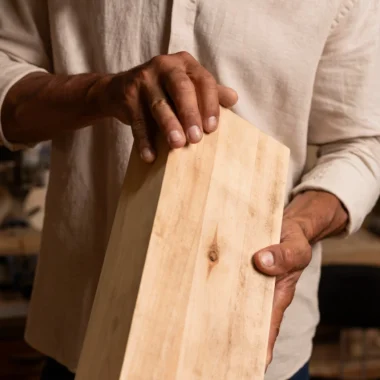
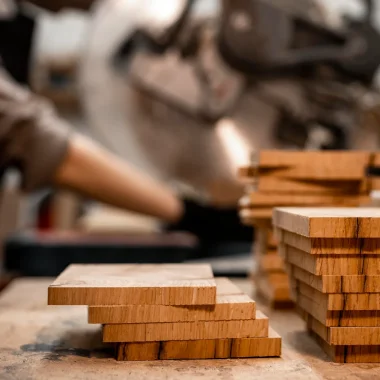
Plywood is made of thin layers of wood veneer bonded together with adhesive. The quality of that adhesive, and the grade of plywood it creates, determines how the board behaves when humidity levels rise — which in Belagavi during June through September can stay elevated for weeks at a stretch.
When low-grade or commercial plywood absorbs ambient moisture, three things typically happen:
The core layers expand unevenly, causing the board to bow, warp, or develop a wavy surface along cabinet doors and shutters.
The bonding adhesive weakens over repeated wet-dry cycles, leading to delamination — visible as edges or surfaces peeling apart in layers.
Trapped moisture inside the board creates ideal conditions for fungal growth and termite activity, both of which are far more active during and after the rains.
None of this is dramatic on day one. It’s a slow process that shows up months later as sticking drawers, swollen kitchen shutters, or a faint damp smell from wardrobes — by which point replacement is often the only fix.
The Plywood Grades That Actually Matter for Monsoon Areas
Not all “waterproof” labels mean the same thing. Understanding the grading system helps you ask the right questions at any plywood store, including ours.
BWP (Boiling Water Proof) Grade
This is the gold standard for monsoon-prone regions like Belagavi. BWP-grade plywood is manufactured using phenol-formaldehyde resin and is tested by boiling the board for extended periods without delamination. It’s the recommended choice for kitchen base cabinets, bathroom units, utility areas, and any furniture near windows or balconies where rain spray is likely.
BWR (Boiler Water Resistant) Grade
BWR sits a step below BWP. It resists moisture well for general interior use — bedroom wardrobes, study units, living room furniture — but isn’t designed for areas with direct or sustained water exposure. For most rooms away from kitchens and bathrooms, BWR offers a good balance of cost and durability.
MR (Moisture Resistant) Grade
MR-grade plywood is suitable for dry interior spaces with only occasional humidity exposure. It’s the most budget-friendly option but is not recommended for Belagavi’s wetter months in areas like kitchens, ground-floor rooms, or spaces near external walls that take on dampness during heavy rain.
A simple rule we share with customers: if a piece of furniture is within a few feet of a water source, an exterior wall, or a window that’s regularly closed during storms, it deserves at least BWR — and ideally BWP — plywood.
Laminates and Veneers: The Finish Matters Too During Monsoon
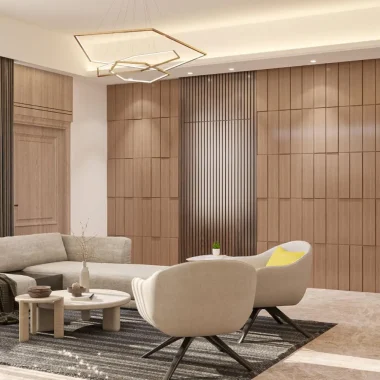
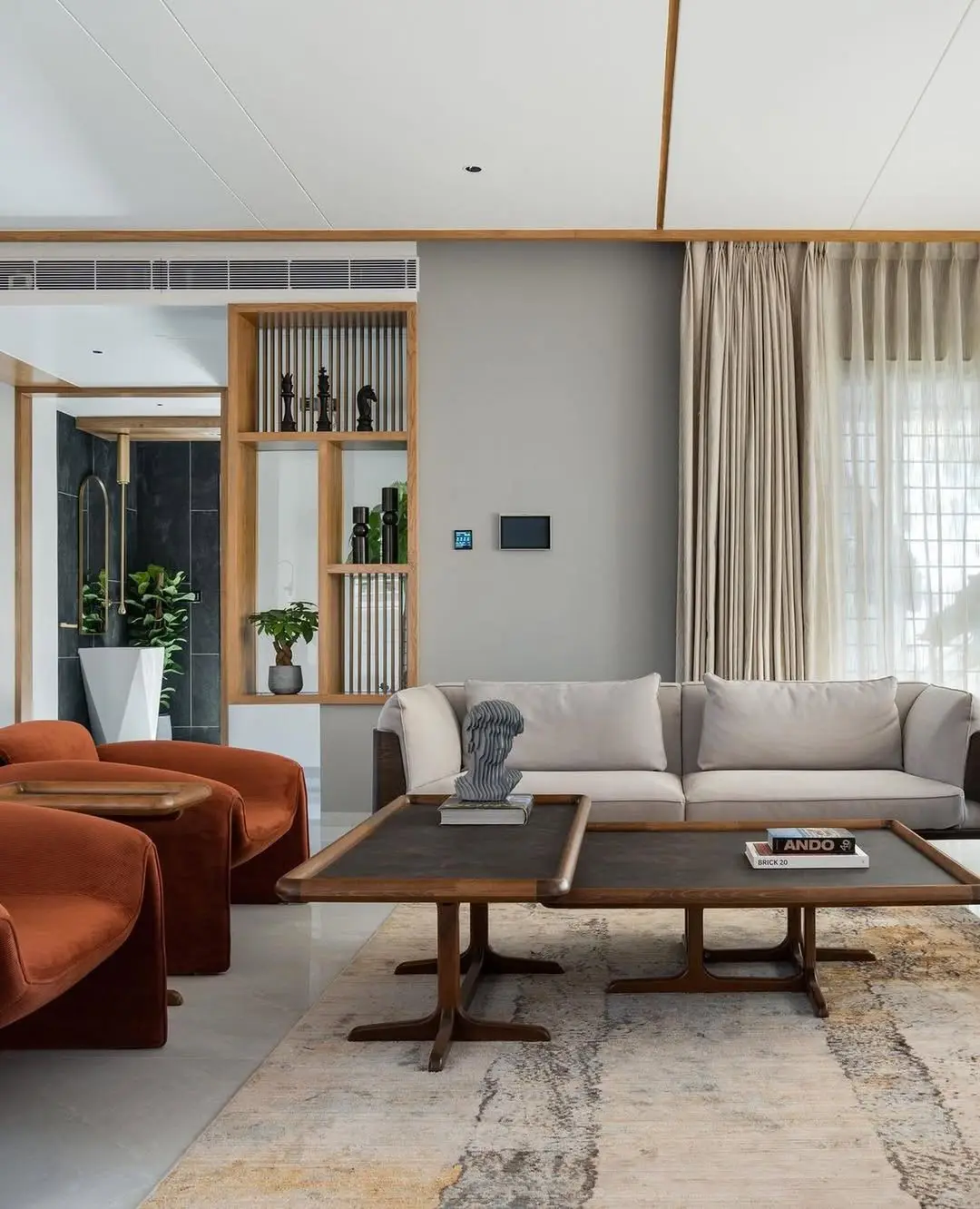
A monsoon-ready interior isn’t just about the plywood core. The laminate or veneer finish on top plays a big role in how well moisture is kept out at the surface level.
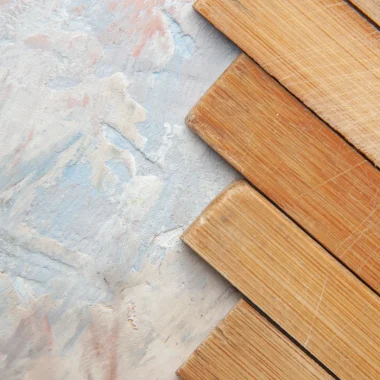
High-pressure laminates (HPL) with proper edge banding create a sealed barrier that prevents water vapor from seeping into the plywood edges — often the weakest point in any cabinet. During installation, edge banding that isn’t properly heat-pressed or sealed becomes the first place moisture enters, even if the plywood itself is BWP grade.
For veneer finishes, which many homeowners prefer for a natural wood look, an additional protective coat of polyurethane (PU) or melamine finish is essential before the monsoon. Untreated or under-coated veneer can absorb humidity directly through the wood grain.
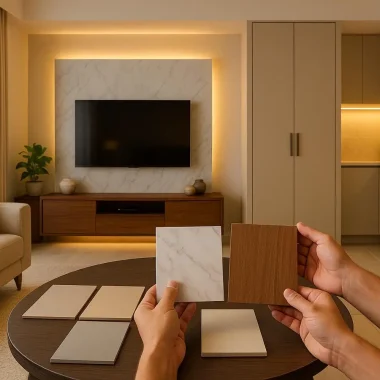
If you’re choosing materials this June specifically with the monsoon in mind, ask your supplier two things: whether the laminate has proper edge sealing included in the installation, and whether veneer surfaces will receive a moisture-resistant top coat.
Flooring Considerations for the Rainy Season
Wooden and laminate flooring deserve special attention in homes with balconies, entrances, or ground-floor rooms that see foot traffic during rain. Water tracked in on shoes, combined with rising humidity from the floor below, can cause laminate flooring planks to swell at the joints if the underlying moisture barrier isn’t installed correctly.
For Belagavi homes, especially those with direct external access, a proper underlay with a moisture barrier film is not optional — it’s the difference between flooring that lasts a decade and flooring that needs replacing within two monsoons.
Termite Risk Increases After the Rains — Plan for It Now
One factor homeowners often overlook is that termite activity in Karnataka tends to increase in the weeks following heavy rainfall, as soil moisture creates favorable conditions for termite colonies near building foundations. Plywood with built-in borer and termite-resistant treatment — a standard feature in most reputed BWP and BWR boards from established brands — provides a meaningful layer of protection that untreated commercial plywood simply doesn’t offer.
This is one of the reasons we consistently recommend branded, certified plywood over unbranded “local” boards for any project in this region, even when the unbranded option looks similar and costs less upfront.
A Practical June Checklist Before the Monsoon Peaks
If you’re planning interior work or even small repairs this month, here’s a simple way to prioritize:
Identify which furniture pieces are closest to kitchens, bathrooms, balconies, or external walls — these need BWP-grade plywood as a non-negotiable.
For everything else, BWR grade offers solid protection without overspending on areas that don’t face direct moisture exposure.
Check edge banding on any existing furniture for early signs of lifting or gaps — these can often be resealed before they become bigger problems.
If you’re installing new flooring, confirm a moisture barrier underlay is part of the package, particularly for ground-floor or entrance areas.
Choose ISI-certified plywood from authorized dealers so you get verified grading and manufacturer warranties — both of which matter if an issue does arise later.
How Heda Ply Helps Belagavi Homeowners Get This Right
At Heda Ply in Tilakwadi, Belagavi, we work with homeowners, architects, and contractors throughout the year, but June is when monsoon-readiness questions peak. We stock a full range of BWP, BWR, and MR-grade plywood from established manufacturers, along with laminates, veneers, and flooring solutions suited to Belagavi’s climate.
Because we deal directly with these materials every day — explaining grades, comparing options, and seeing how different boards perform in real homes across the region — we’re able to guide customers toward the right choice for their specific room, budget, and timeline, rather than a one-size-fits-all recommendation.
If you’re planning any interior work this season, it’s worth a conversation before materials are finalized. A short chat about which rooms face the most moisture exposure can save significant cost and hassle later.
Frequently Asked Questions
1. Which plywood grade is best for kitchen cabinets in Belagavi during monsoon? BWP (Boiling Water Proof) grade is best for kitchen base units, sink cabinets, and any area with regular water contact. It resists prolonged moisture exposure far better than MR or standard BWR boards.
2. Can I use MR-grade plywood anywhere in a Belagavi home? MR-grade plywood works fine for dry interior spaces like upper bedroom wardrobes or study furniture that aren’t near external walls or wet areas. For ground-floor rooms or anything near windows exposed to rain, BWR or BWP is safer.
3. How do I know if my existing furniture has monsoon damage starting? Early signs include doors or drawers that suddenly stick, a faint musty smell from inside cabinets, slight bowing of shutter panels, or laminate edges that look like they’re lifting slightly. Catching these early often allows for repair rather than full replacement.
4. Does laminate finish actually affect moisture resistance, or just looks? Both. Beyond appearance, a properly pressed laminate with sealed edge banding acts as a barrier that keeps moisture from entering the plywood core through the edges — often the most vulnerable point in any cabinet.
5. Is termite-resistant plywood necessary if my home doesn’t currently have a termite problem? Yes, especially in this region. Termite activity often increases after monsoon rains due to higher soil moisture near foundations, even in homes with no prior history. Built-in treatment in BWP and BWR boards offers preventive protection.
6. What should I check before buying flooring for a ground-floor room in Belagavi? Confirm that a moisture barrier underlay is included in the installation. Without it, laminate flooring planks can absorb ground moisture and swell at the joints, particularly during prolonged rainy spells.
7. Where can I get genuine BWP and BWR plywood with proper grading in Belagavi? Heda Ply, located in Tilakwadi, Belagavi, stocks ISI-certified BWP, BWR, and MR-grade plywood from established manufacturers, along with laminates, veneers, and flooring. Visit the showroom or contact the team directly to discuss the right materials for your project.
Why Heda Ply Deserves a Visit
If you are planning a home renovation, working on a modular kitchen, designing a commercial interior, or simply looking to source quality plywood and laminates in Belagavi, there is one clear starting point:
CTS.No.732, Near 3rd Railway Gate,
Khanapur Road, Hindu Nagar, Tilakwadi,
Belagavi, Karnataka, 590006.
Here is what you can expect when you walk in:
- A vast selection covering plywood, laminates, veneers, and wooden flooring
- Products from trusted, ISI-certified brands including CenturyPly
- Expert advice tailored to your project’s specific needs
- Transparent pricing with no hidden costs
- Reliable follow-up and delivery support
- An inspirational gallery to help you visualize finished interiors
You can also reach Heda Ply at +91 8904002711 or connect with them via email at info@hedaply.com Visit their website at hedaply.com to browse their product range and get in touch.